
The Sound of Resistance
By Maya Portelli, 13/11/2025
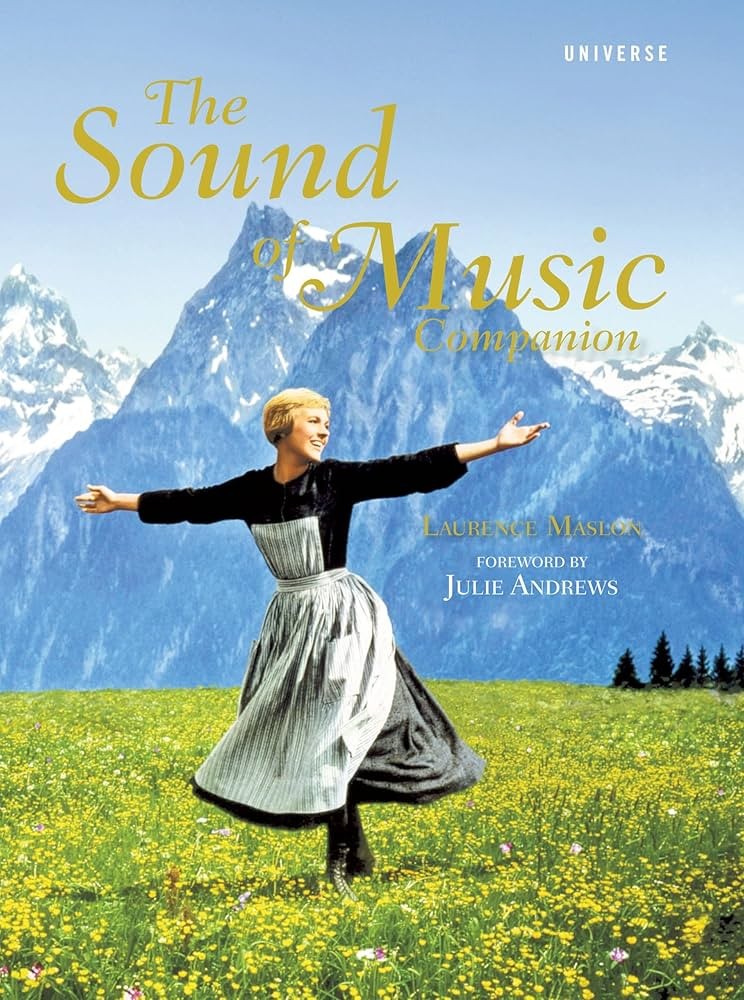
When The Sound of Music premiered in 1965, audiences fell in love with its breathtaking landscapes, joyful melodies, and the heartwarming story of the Von Trapp family. Yet beneath the charm lies a powerful moral warning: the danger of silence in the face of hate.
As the film revisits Austria’s descent into Nazism, it reminds us how ordinary people are tested when prejudice becomes law and decency becomes defiance. Captain Georg Von Trapp’s refusal to serve in Hitler’s navy was not just a personal choice, it was an act of conscience. Today, amid a troubling global resurgence of antisemitism The Sound of Music’s message feels strikingly urgent.
Set during the rise of the Third Reich, The Sound of Music captures the moment when fear and propaganda began to overtake moral clarity. While the film does not depict the Holocaust directly, it exists in the same moral universe, one in which antisemitism, nationalism, and blind loyalty corroded society from within.
The Von Trapps’ decision to resist is more than a cinematic moment; it is a parable about moral courage. Their story mirrors the timeless challenge of confronting hate when conformity is the safer option.
Nearly eight decades after the fall of Nazi Germany, antisemitism has once again become alarmingly apparent across the globe, including here in Australia. In Victoria, the Jewish Community Council of Victoria (JCCV) reported a 52% surge in antisemitic incidents, marking an all-time high. The year 2025 has been plagued by a series of shocking attacks: in Sydney, the home of a Jewish community leader was vandalised and cars were torched, one defaced with the words “F*** Jews.” Later that month, police in New South Wales uncovered a trailer filled with explosives and a list of Jewish targets, a plot described as a potential “mass-casualty event.” And in Melbourne, a synagogue was deliberately set alight in July, forcing around twenty worshippers to flee for their lives.
These are not isolated incidents. They reflect a deepening climate of hostility toward Jewish Australians, one that has left many feeling unsafe in schools, synagogues, and public spaces.
In this context, The Sound of Music becomes more than a nostalgic classic — it is a moral blueprint. It asks: When hatred rises again, will we remain silent or speak out?
Captain Von Trapp’s quiet resistance, his refusal to wear the Nazi insignia, his refusal to betray his conscience, is a lesson in integrity. His final song, “Edelweiss,” is not simply a farewell to his homeland; it is an act of protest. In today’s climate, where antisemitic rhetoric spreads easily across social media and public spaces, such symbolic resistance is as necessary as ever.
Art has always been a form of moral memory; it asks society to confront what they would rather forget. The Sound of Music calls on us to remember what happens when hate goes unchallenged, when communities retreat into silence, and when moral conviction gives way to comfort.
In 2025, as antisemitic acts intensify across Australia, the Von Trapp family story speaks directly to our time: silence enables hate, and courage begins with the refusal to stay quiet.
Wherever your political beliefs may lie, we must recognise that innocent Australians are being targeted and vilified solely because of their faith. In a time when antisemitism is once again gaining ground, we are called to show the courage to stand against it.